Gardening: A Path to Healing and Wellness

Updated: Sep 7
Understanding PTSD and Anxiety
What are PTSD and Anxiety?
Post-Traumatic Stress Disorder (PTSD) is a mental health condition triggered by experiencing or witnessing a traumatic event. Symptoms can include flashbacks, nightmares, severe anxiety, and uncontrollable thoughts about the event. Anxiety, on the other hand, encompasses a range of disorders characterized by excessive worry, fear, and nervousness. Both conditions can significantly impact daily life, making it challenging to engage in normal activities.
The Impact of Nature on Mental Health
Research has shown that spending time in nature can reduce symptoms of anxiety and PTSD. A study published in the journal Environmental Science & Technology found that individuals who spent time in green spaces reported lower levels of stress and improved mood. The calming effects of nature can help ground individuals, providing a sense of peace and stability.
The Therapeutic Benefits of Gardening
Connection to Nature
Gardening fosters a deep connection to nature. This connection can be incredibly grounding, allowing individuals to focus on the present moment. The act of planting seeds, nurturing growth, and witnessing the beauty of blooming flowers can provide a sense of accomplishment and joy.
Mindfulness and Presence
Gardening encourages mindfulness, a practice that involves being fully present in the moment. When tending to plants, individuals can focus on the sensations of soil, the colors of flowers, and the sounds of nature. This mindfulness can help reduce anxiety and promote a sense of calm.
Physical Activity
Gardening is a form of physical exercise, which is known to release endorphins—natural mood lifters. Engaging in physical activity can help alleviate symptoms of anxiety and depression, making gardening a dual benefit for mental health.
Routine and Structure
For those struggling with PTSD and anxiety, establishing a routine can be beneficial. Gardening requires regular care and attention, providing a structured activity that can help individuals regain a sense of control in their lives.
Getting Started with Gardening
Choosing the Right Space
When starting a garden, consider the space available. Whether it’s a small balcony, a backyard, or even indoor pots, any space can be transformed into a garden sanctuary. Here are some options:
Container Gardening: Ideal for small spaces, containers can hold a variety of plants, from herbs to flowers.
Raised Beds: If you have a bit more space, raised beds can provide a defined area for planting and can be easier on the back.
Indoor Gardening: For those with limited outdoor space, indoor plants can bring greenery into your home.
Selecting Plants
Choosing the right plants is crucial for a successful gardening experience. Here are some suggestions:
Herbs: Basil, mint, and rosemary are easy to grow and can be used in cooking, adding a practical element to your garden.
Flowers: Sunflowers, marigolds, and zinnias are vibrant and can uplift your mood.
Succulents: Low-maintenance and resilient, succulents are perfect for beginners and can thrive indoors.
Creating a Gardening Routine
Establishing a routine can help integrate gardening into your daily life. Here’s a simple plan to get started:
Set a Schedule: Dedicate specific days and times for gardening tasks, such as watering, weeding, and harvesting.
Keep a Journal: Document your gardening journey. Note what you plant, how they grow, and your feelings during the process.
Engage with the Community: Join local gardening clubs or online forums to share experiences and gain support.
Overcoming Challenges
Dealing with Setbacks
Gardening is not without its challenges. Plants may not grow as expected, pests may invade, or weather conditions may change. It’s essential to approach these setbacks with patience and resilience. Here are some tips:
Learn from Mistakes: Each setback is an opportunity to learn. Research solutions and adapt your approach.
Stay Positive: Focus on the progress you’ve made rather than the failures. Celebrate small victories, like a single flower bloom or a new leaf sprouting.
Managing Expectations
It’s important to manage expectations when starting a garden. Not every plant will thrive, and that’s okay. Embrace the journey and the lessons it brings. Gardening is about growth—both in plants and in personal development.
Incorporating Mindfulness into Gardening
Mindful Gardening Practices
To enhance the therapeutic benefits of gardening, consider incorporating mindfulness practices. Here are some techniques:
Breath Awareness: Take a few moments to focus on your breath before you start gardening. This can help center your mind and prepare you for the task ahead.
Sensory Engagement: Pay attention to the textures of the soil, the colors of the plants, and the sounds of nature around you. Engaging your senses can deepen your connection to the gardening experience.
Gratitude Practice: After each gardening session, take a moment to reflect on what you are grateful for. This can shift your focus from stress to appreciation.
Creating a Peaceful Environment
Design your gardening space to promote tranquility. Consider adding elements such as:
Seating Areas: A comfortable chair or bench can provide a place to relax and enjoy your garden.
Water Features: The sound of water can be soothing. Consider adding a small fountain or birdbath.
Decorative Elements: Personalize your space with decorations that bring you joy, such as wind chimes or garden art.
Real-Life Stories of Healing Through Gardening
Case Study: Sarah’s Journey
Sarah, a veteran living with PTSD, found solace in gardening after struggling with anxiety for years. She started with a small container garden on her balcony, planting herbs and flowers. Over time, she noticed a significant reduction in her anxiety levels. The routine of caring for her plants provided her with a sense of purpose and accomplishment. Today, Sarah shares her gardening journey with others, encouraging them to find healing through nature.
Community Gardens: A Collective Healing Space
Community gardens offer a unique opportunity for individuals to connect with others while gardening. These spaces foster a sense of belonging and support, which can be particularly beneficial for those dealing with mental health challenges. Participants can share their experiences, learn from one another, and cultivate friendships—all while nurturing plants together.
The Role of Organic Gardening in Wellness
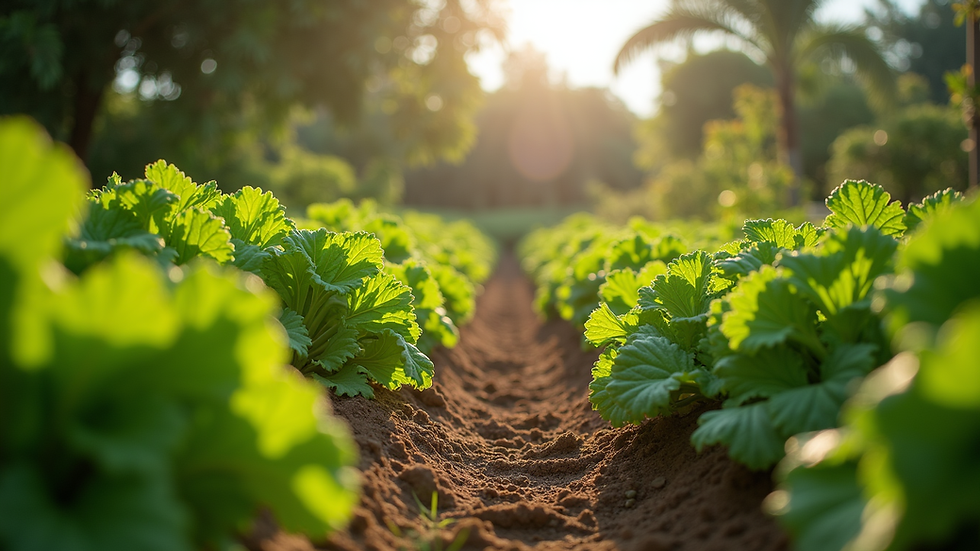
Organic gardening goes beyond simply growing plants; it embodies a philosophy of health and sustainability. By choosing to cultivate organic produce, we not only nurture our bodies but also contribute to a healthier planet. This practice aligns beautifully with the journey of healing, as it encourages mindfulness and respect for nature.
Benefits of Organic Gardening
Healthier Produce: Organic gardening avoids synthetic pesticides and fertilizers, resulting in cleaner, healthier food.
Environmental Impact: Organic practices promote biodiversity and reduce pollution, contributing to a healthier ecosystem.
Mindful Consumption: Growing your own organic food fosters a deeper connection to what you eat, encouraging healthier choices.
Conclusion
Gardening is a powerful tool for combating PTSD and anxiety. By connecting with nature, engaging in mindfulness, and establishing a routine, individuals can find healing and hope in their gardening journey. Whether you have a sprawling backyard or a small balcony, the act of nurturing plants can provide a sense of purpose and tranquility.
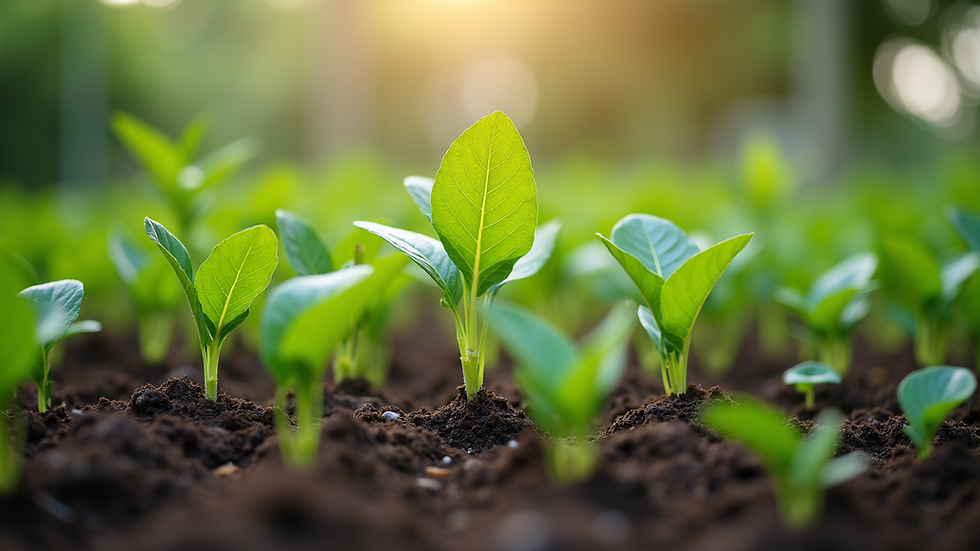
If you’re ready to embark on this journey, start small and allow yourself to grow alongside your garden. Remember, every seed planted is a step toward healing. Embrace the process, and let the seeds of hope flourish in your life.
---wix---

Comments