Top Organic Gardening Tips for Better Wellness

There is something deeply soothing about tending to a garden. The gentle rhythm of planting seeds, nurturing sprouts, and watching life unfold beneath your fingertips offers a unique kind of peace. Over time, I have found that organic gardening is not just about growing food or flowers—it’s a path to better wellness. It connects us to the earth, encourages mindfulness, and nurtures both body and soul. If you’re looking to embrace this calming practice, I’d love to share some of my top organic gardening tips that have helped me cultivate not only a thriving garden but also a healthier, more balanced life.
Embracing Organic Gardening Tips for a Healthier Garden
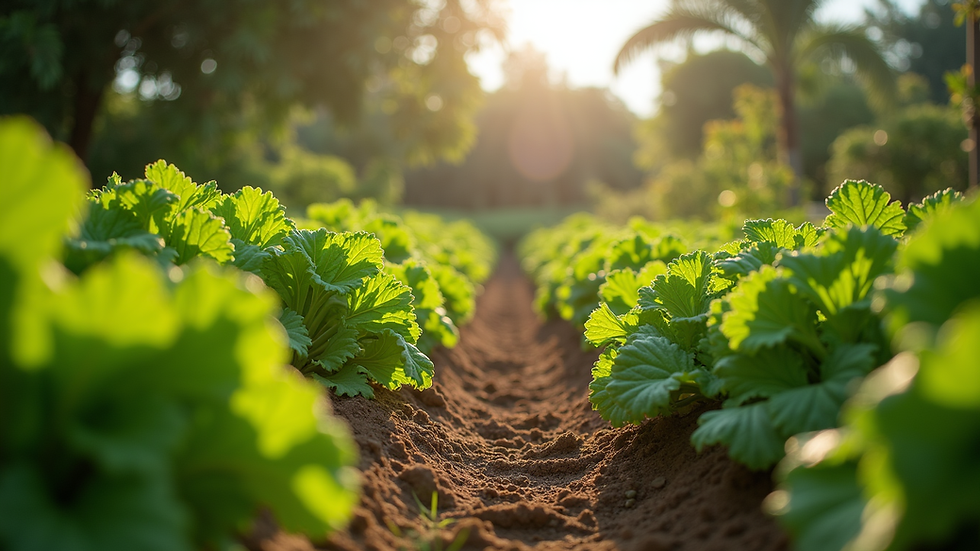
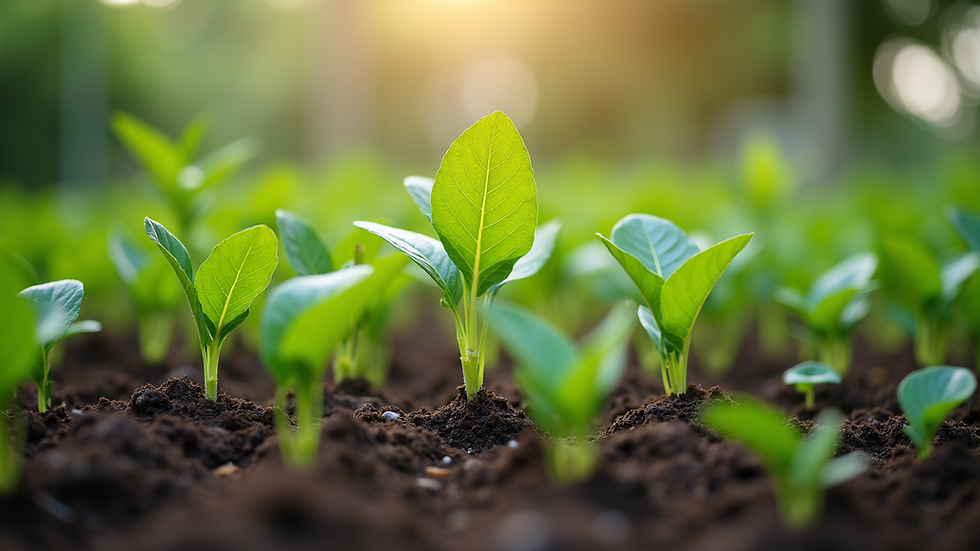
Starting with organic gardening means committing to natural methods that respect the environment and promote sustainability. One of the first things I learned is the importance of soil health. Healthy soil is the foundation of a vibrant garden. Instead of relying on chemical fertilizers, I use compost and natural amendments like worm castings and aged manure. These enrich the soil with nutrients and beneficial microbes, creating a living ecosystem beneath the surface.
Another essential tip is to choose plants that are well-suited to your local climate and soil conditions. Native plants and heirloom varieties tend to be more resilient and require less intervention. This not only reduces the need for pesticides but also supports local biodiversity.
Watering wisely is also key. I prefer drip irrigation or soaker hoses to minimize water waste and keep foliage dry, which helps prevent disease. Mulching around plants retains moisture, suppresses weeds, and adds organic matter as it breaks down.
Use natural pest control methods like companion planting, introducing beneficial insects, or homemade sprays.
Rotate crops each season to prevent soil depletion and reduce pest buildup.
Avoid synthetic herbicides and pesticides to protect your garden’s delicate balance.
These organic gardening tips have transformed my garden into a thriving sanctuary, and I believe they can do the same for you.

Cultivating Mindfulness Through Gardening Practices
Gardening organically is more than a physical activity; it’s a mindful practice that invites us to slow down and connect deeply with nature. When I kneel in the dirt, I become aware of the textures, smells, and sounds around me. This sensory engagement helps quiet the mind and reduce stress.
One way I cultivate mindfulness is by setting small, intentional goals for each gardening session. Instead of rushing to finish, I focus on the process—feeling the soil, observing plant growth, and appreciating the subtle changes day by day. This gentle rhythm fosters patience and presence.
I also keep a gardening journal. Writing down observations, successes, and challenges helps me reflect on the garden’s progress and my own journey. It’s a quiet moment of gratitude and learning that deepens my connection to the earth.
If you’re new to gardening, start with simple tasks like planting herbs or easy-to-grow vegetables. These quick wins build confidence and encourage you to spend more time outdoors. Over time, you’ll notice how this mindful engagement nurtures your mental wellness.

Nourishing Your Body with Homegrown Organic Produce
One of the greatest rewards of organic gardening is harvesting fresh, nutrient-rich food. Growing your own fruits, vegetables, and herbs means you know exactly what goes into your food—no chemicals, no surprises. This transparency supports better health and wellness.
I’ve found that eating from my garden encourages me to cook more mindfully and enjoy seasonal flavors. For example, freshly picked tomatoes taste so much sweeter than store-bought ones. The simple act of preparing a meal with homegrown ingredients feels nourishing on many levels.
To maximize the benefits, I recommend planting a variety of crops that provide a range of vitamins and minerals. Leafy greens like kale and spinach, root vegetables like carrots and beets, and colorful peppers and tomatoes all contribute to a balanced diet.
Preserving your harvest through drying, freezing, or fermenting can extend the wellness benefits throughout the year. Fermented foods like sauerkraut and kimchi, made from your garden’s cabbage, support gut health and immunity.
By integrating these organic gardening tips into your routine, you create a sustainable source of wholesome food that supports your body’s vitality.
Building a Supportive Gardening Community
Gardening can sometimes feel like a solitary pursuit, but it doesn’t have to be. I’ve discovered that sharing experiences and knowledge with others enriches the journey. Whether it’s swapping seeds, exchanging tips, or simply sharing stories, community adds a layer of connection and encouragement.
Joining local gardening groups or online forums focused on organic practices can provide valuable insights and motivation. Many communities also host workshops or garden tours that inspire new ideas and techniques.
For those who may face physical or emotional challenges, gardening with others can be especially healing. It fosters a sense of belonging and purpose, which are vital for overall wellness.
If you’re interested, I encourage you to explore resources like organic wellness blog tips that offer guidance and support tailored to mindful, organic gardening.
Creating a Sustainable Garden for Long-Term Wellness
Sustainability is at the heart of organic gardening. It’s about creating a garden that thrives year after year without depleting resources or harming the environment. I’ve learned that small, consistent actions make a big difference.
Start by saving seeds from your healthiest plants. This practice preserves genetic diversity and reduces the need to buy new seeds each season. Composting kitchen scraps and garden waste returns valuable nutrients to the soil and minimizes landfill contributions.
Incorporating pollinator-friendly plants like lavender, sunflowers, and native wildflowers supports bees and butterflies, which are essential for a healthy ecosystem. Avoiding plastic and choosing biodegradable or recycled materials for garden tools and containers also helps reduce your environmental footprint.
Finally, be patient with yourself and your garden. Organic gardening is a journey of learning and adaptation. Celebrate the small victories and embrace the lessons from challenges.
By nurturing your garden sustainably, you’re also nurturing your own wellness in a way that honors the earth and future generations.
Gardening organically has been a gentle teacher for me—reminding me to slow down, care deeply, and find joy in simple, natural rhythms. I hope these tips inspire you to cultivate your own space of wellness and growth. Whether you have a sprawling backyard or a small balcony, the earth is ready to welcome your touch. Happy gardening!

Comments